Visa Requirements for UK Travellers: What Changed and What You Need to Know
Brexit changed travel rules for UK citizens significantly. Understanding current visa requirements prevents frustration at borders and ensures smooth journeys across Europe.
Schengen Area travel is now visa-free but different. UK citizens can still visit most European countries without a visa, but the rules have changed. You can spend up to 90 days in any 180-day period in the Schengen Area, which covers most EU countries plus Iceland, Norway, and Switzerland. This means you can't stay longer than 90 days in six months, even across multiple countries.
ETIAS registration is coming soon. The European Travel Information and Authorisation System will launch in 2025. UK travellers will need to register online before visiting Europe, similar to the US ESTA system. This registration costs around €7 and lasts three years. It's not a visa but a mandatory authorisation. Check the official government website for exact launch dates.
Your passport must be valid. Your passport needs to be valid for the entire duration of your stay. More importantly, it must have been issued within the last 10 years and not expire within 3 months of your planned departure from the Schengen Area. If your passport doesn't meet these requirements, renew it before travelling.
Proof of return is sometimes required. Border officials may ask to see return tickets or onward travel plans. Have these available when crossing borders, even though spot checks are uncommon for UK travellers.
Travel insurance is now more important. Without UK residency rights in Europe, travel insurance is essential. It covers medical expenses, which can be extremely expensive without proper cover. Don't skip this step.
Different rules apply to specific countries. While most European countries follow Schengen rules, some have different requirements. Ireland, for example, operates independently and may have different entry requirements. Turkey, Albania, and other non-EU countries have their own rules. Check specific country requirements before travelling.
Work and study have different rules. Visa-free travel is for tourism only. If you're working or studying abroad, you need appropriate visas or permits. These vary significantly by country and employer. Start applications well in advance.
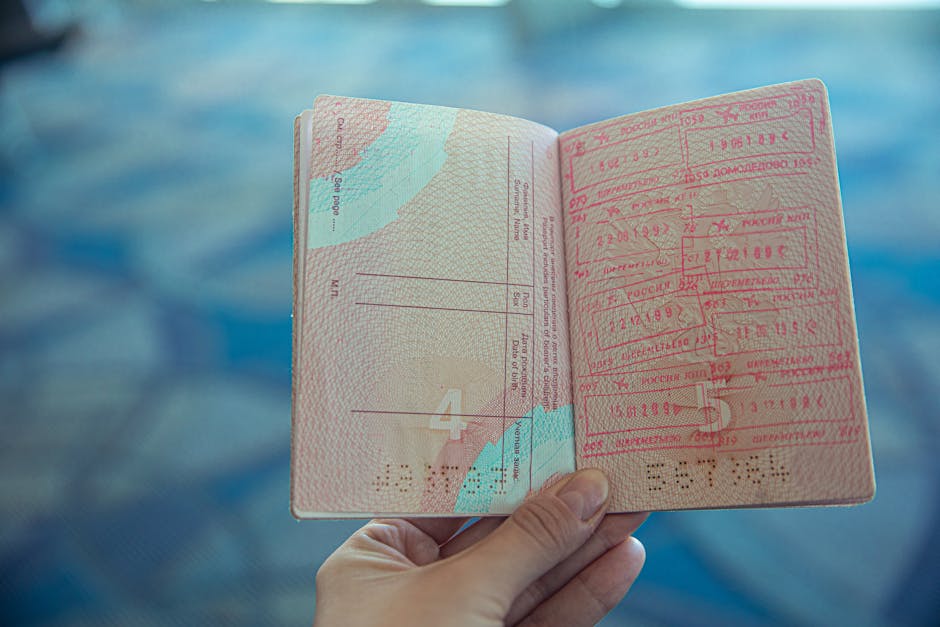
Keep records of entry and exit dates. Border officials stamp passports inconsistently now. Take photos of stamps or keep departure cards if issued. This helps prove your time in the Schengen Area if questioned.
Plan trips carefully within the 90-day limit. If you travel frequently to Europe, track your days carefully. Overstaying the 90-day limit results in fines, entry bans, and serious complications for future travel.
Check the UK government website for updates. Visa requirements occasionally change. Before any trip, visit gov.uk and check current requirements for your specific destinations. Official government sources are the most reliable.
Brexit travel rules seem complicated initially, but they're straightforward once you understand them. Spend 10 minutes checking requirements before booking, and you'll avoid all potential issues at borders.